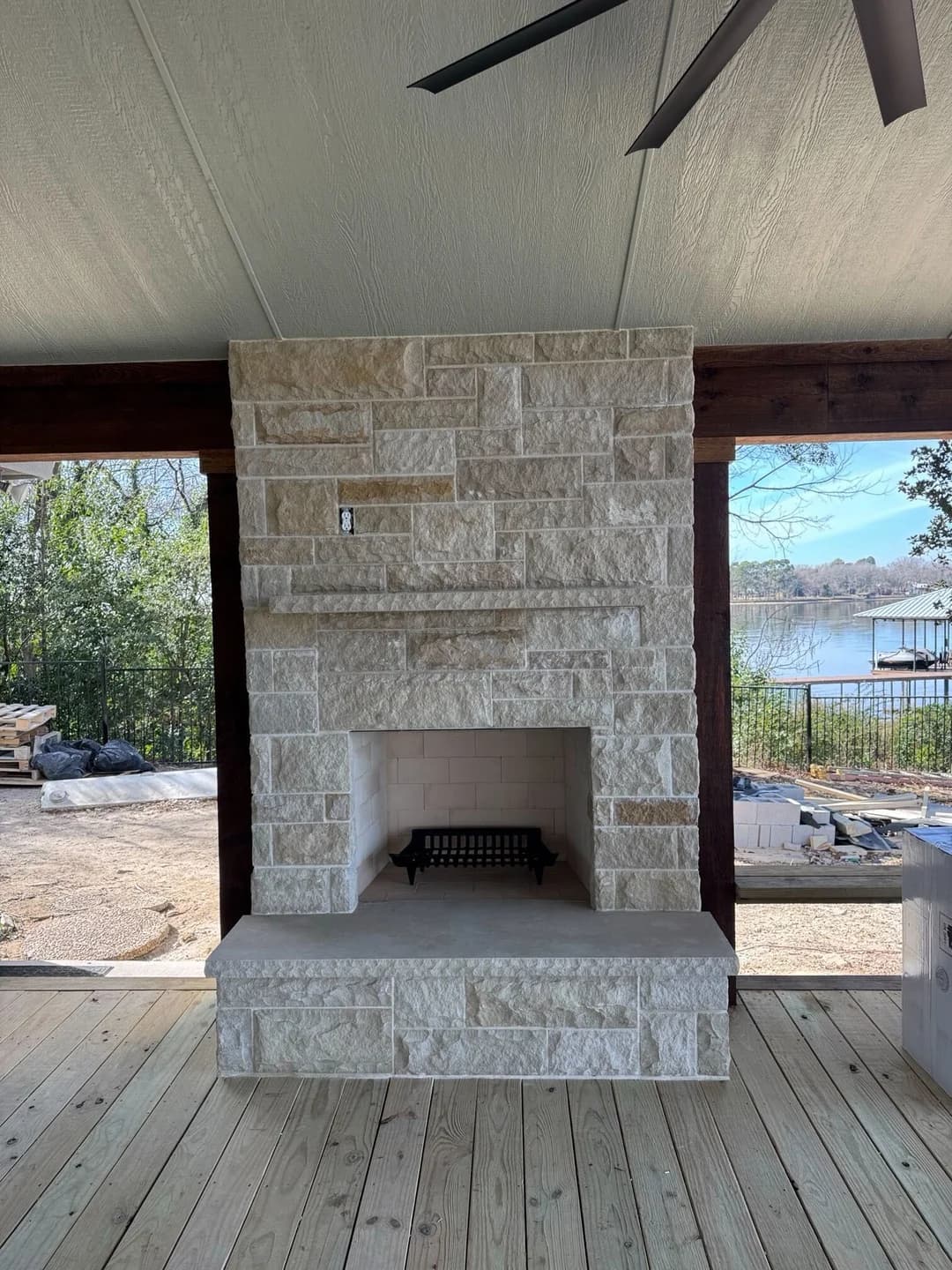
Deck or patio? It's the first decision most North Texas homeowners face when they start planning a backyard project, and the right answer depends on your yard, your budget, and how you plan to use the space. Both add usable square footage in a climate where outdoor living is comfortable nine to ten months a year. But they perform very differently in DFW clay soil, cost different amounts, and age on different timelines.
This guide compares decks and patios head to head across the factors that actually matter in the North Texas market: cost, soil performance, maintenance, and resale value. By the end you'll know which one fits your yard, or whether the right move is to combine both.
Deck vs. Patio: The Core Difference
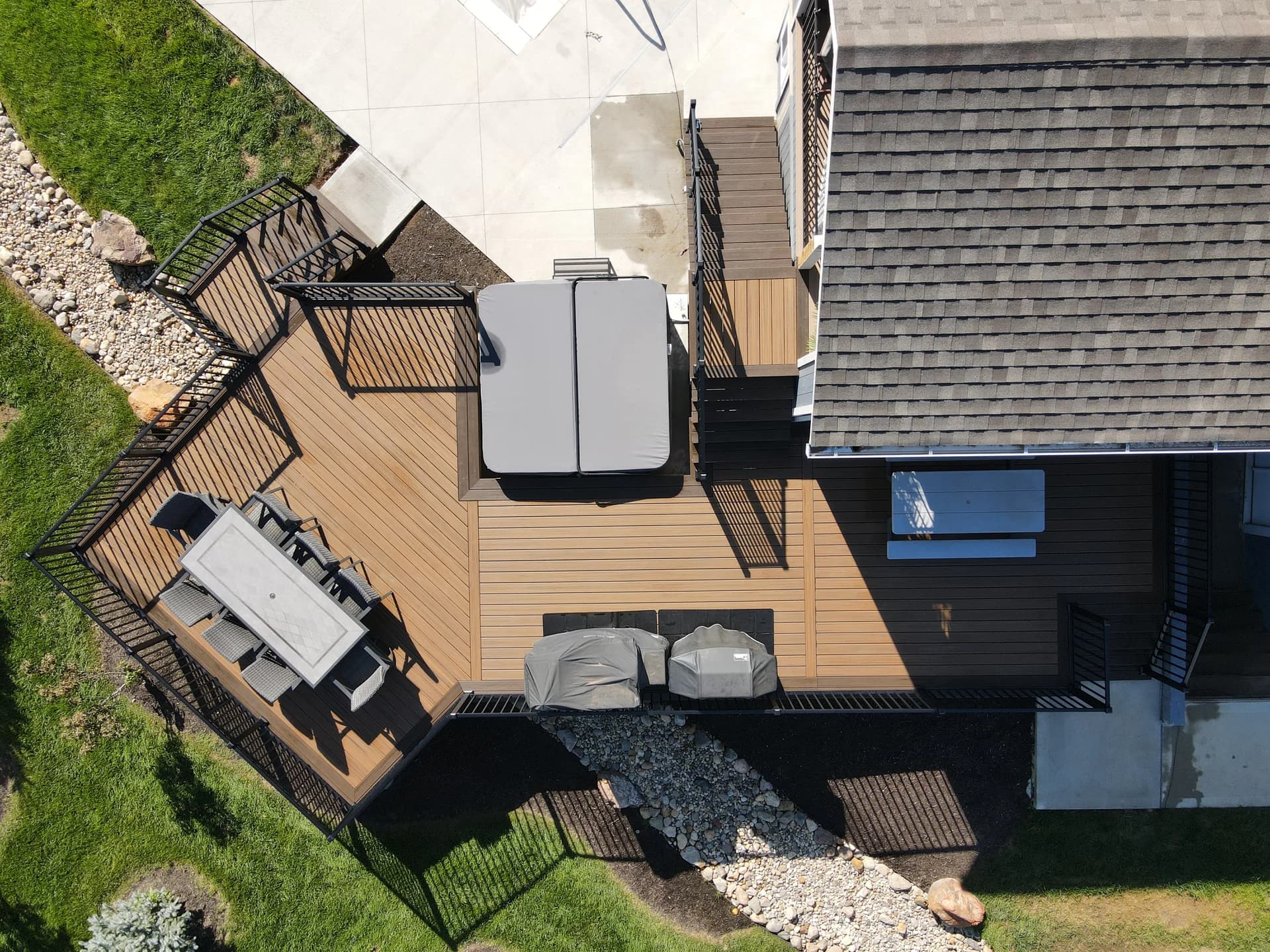
A deck is an elevated structure built on footings and framing, typically out of pressure-treated lumber, cedar, or composite boards. A patio is a ground-level surface, usually poured concrete, pavers, or natural stone, that sits directly on a prepared base. Decks work well on sloped or uneven lots and at homes where the back door sits well above grade. Patios make sense on flat lots and for homeowners who want a low transition from the house to the yard.
Cost Comparison in the DFW Market
For a comparable footprint, a patio is usually less expensive than a deck up front, especially in poured concrete. But premium pavers and natural stone can close that gap quickly, and a composite deck can rival a high-end patio. Here's a realistic installed cost range for a standard 350 square foot North Texas project:
| Surface | Material | Typical 350 sq ft Cost |
|---|---|---|
| Patio | Poured concrete | $7,000–$12,000 |
| Patio | Pavers / natural stone | $12,000–$24,000 |
| Deck | Pressure-treated wood | $14,000–$19,000 |
| Deck | Composite (Trex/TimberTech) | $24,000–$34,000 |
When a Deck Makes More Sense
- —Your back door sits more than a step or two above grade
- —Your lot slopes or has significant grade change
- —You want a defined, elevated outdoor room with railing
- —You prefer a wood or composite surface underfoot
- —You want built-in benches, a pergola, or multi-level zones
When a Patio Makes More Sense
- —Your yard is flat and close to floor level
- —You want the lowest-maintenance surface available
- —You're planning an outdoor kitchen, fire pit, or heavy furniture
- —You prefer the look of stone, pavers, or stamped concrete
- —You want the most square footage for the lowest upfront cost
How North Texas Clay Soil Affects the Choice
Free Estimate
Planning this type of project?
Tell us your scope, city, and timeline. We follow up with clear pricing and next steps, no obligation.
This is where the DFW market diverges from national advice. Hunt, Rockwall, and Kaufman counties sit on expansive clay that swells when wet and contracts when dry. A deck handles this movement well because it rides on deep footings, set to 24 inches minimum in our service area and deeper for elevated builds, that reach below the active soil zone. A concrete patio, by contrast, sits on the surface and can crack or lift if the base isn't properly prepared. A quality patio installer addresses this with proper sub-base compaction, control joints, and in some cases a reinforced or post-tensioned slab. Cutting corners on the base is the number one reason DFW patios crack within a few years.
Maintenance Over 10 Years
Maintenance is often the deciding factor for homeowners planning to stay put. Here's how the common surfaces compare over a decade in North Texas:
| Surface | Routine Maintenance | 10-Year Outlook |
|---|---|---|
| Wood deck | Annual stain/seal, board checks | Some board replacement likely |
| Composite deck | Occasional wash | Minimal; 25-year board warranty |
| Concrete patio | Occasional seal | Possible hairline cracking |
| Paver patio | Re-sand joints, weed control | Individual pavers resettable |
Can You Combine Both?
Often the best answer is yes. Some of our favorite North Texas backyards pair an elevated composite deck off the back door with a ground-level paver patio below or beside it, creating two distinct zones: a dining and grilling deck up top and a fire-pit or lounge patio down below. Combining a deck and hardscape patio also lets you work with a sloped lot instead of fighting it. If you're not sure which direction fits your yard, a contractor who builds both can visit your site and lay out the options honestly rather than steering you toward the one service they offer.
Not sure which fits your yard?
We design and build both decks and hardscape patios across DFW and East Texas, so our recommendation is based on your lot, not our specialty. Get a free on-site assessment and a written price for each option.
Frequently Asked Questions
Common questions about this topic from DFW homeowners and project planners.
Is a deck or patio cheaper in DFW?
For a comparable footprint, a poured-concrete patio is usually the cheapest option up front, often $7,000 to $12,000 for 350 square feet, while a wood deck runs $14,000 to $19,000. However, premium pavers and natural stone patios can cost as much as a composite deck, so the cheaper option depends heavily on the materials you choose.
Do decks or patios hold up better in North Texas clay soil?
Decks tend to handle expansive clay soil better because they ride on deep footings set below the active soil zone. Patios sit on the surface and can crack or heave if the sub-base isn't properly compacted and jointed. A well-built patio with proper base preparation performs fine, but base quality matters far more in DFW than in regions with stable soil.
Which adds more resale value, a deck or a patio?
Both add value in the DFW market by creating usable outdoor living space. Wood decks recoup roughly 60 to 65 percent of their cost at resale in the South Central region, and quality patios perform similarly. The bigger factor is execution: a well-built, well-integrated outdoor space of either type helps a North Texas home sell faster than a neglected backyard.
Can I build a patio under an elevated deck?
Yes, and it's a popular configuration in North Texas. Pairing an elevated deck off the back door with a ground-level paver or concrete patio underneath creates two distinct outdoor zones and makes excellent use of a sloped lot. The deck framing and footings are designed to accommodate the patio surface below.
About the author
Yelp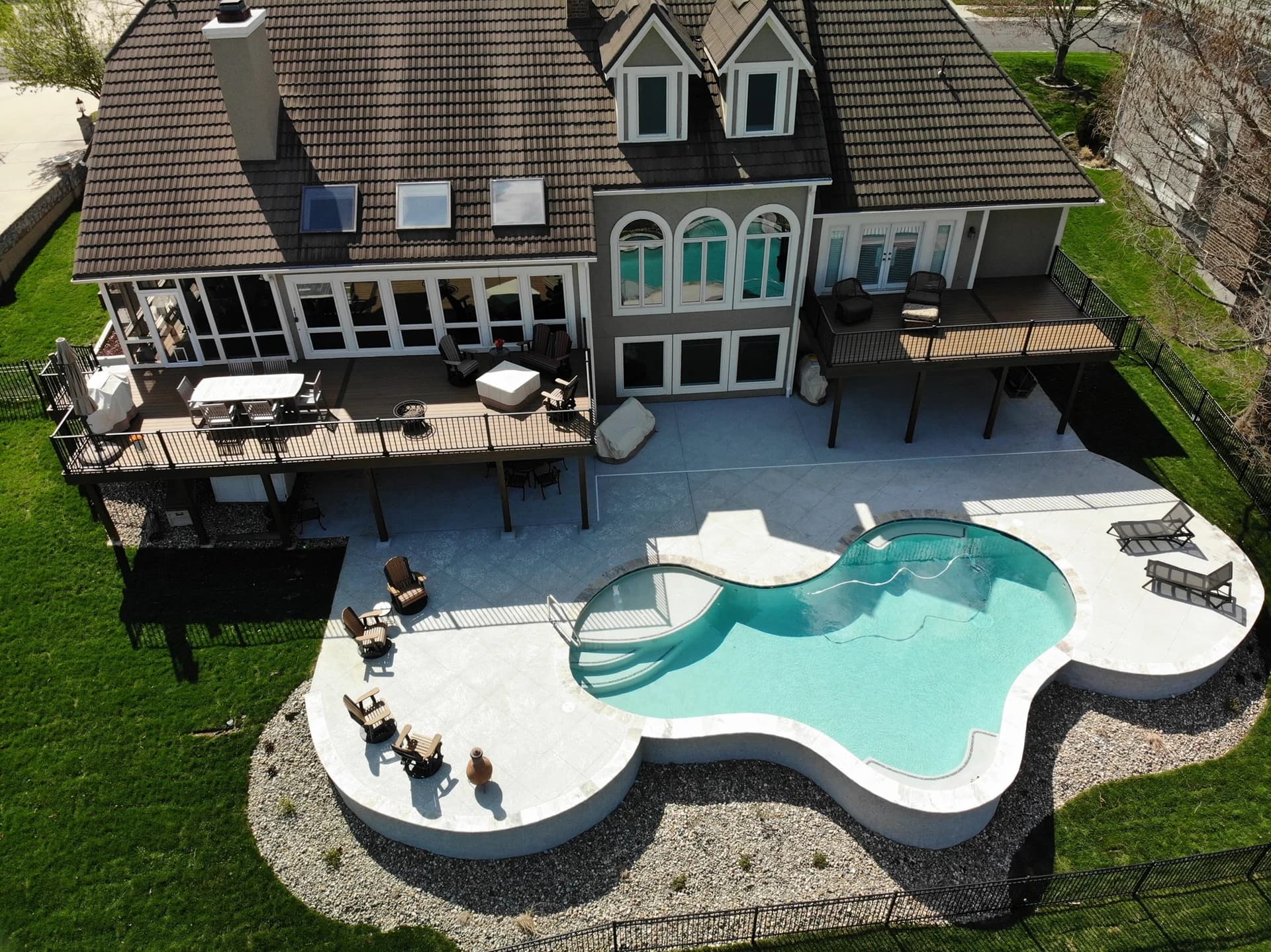
i30 Builders Editorial Team
AuthorEditorial and Field Operations
Internal content and field documentation team
i30 Builders Field Leadership
Expert ReviewerFounder-Led Field Operations
General contractor, field project management