If you're a North Texas homeowner shopping for a deck estimate, here's what you need to know upfront: the average deck in DFW costs between $12,000 and $22,000 for a standard-sized backyard build. High-end composite decks with multi-level framing, built-in seating, and custom lighting can run $35,000 to $50,000. Entry-level pressure-treated builds start around $10,000.
Those ranges are wider than most homeowners expect — and for good reason. Deck pricing depends on seven distinct variables, and each one compounds on the others. This guide breaks down exactly what drives cost in the DFW market, why North Texas pricing differs from national averages, and how to evaluate whether an estimate you've received is fair.
What Drives Deck Cost in North Texas
1. Square Footage
Square footage is the most straightforward cost driver. DFW decks average between 200 and 600 square feet for a standard single-level build. Here's a realistic per-square-foot cost range based on what we've built across Hunt, Rockwall, and Kaufman counties:
| Deck Size | Pressure-Treated | Cedar | Composite (Trex/TimberTech) |
|---|---|---|---|
| 200 sq ft | $10,000–$13,000 | $13,000–$17,000 | $16,000–$22,000 |
| 350 sq ft | $14,000–$19,000 | $19,000–$26,000 | $24,000–$34,000 |
| 500 sq ft | $19,000–$26,000 | $26,000–$36,000 | $33,000–$48,000 |
| 600 sq ft | $23,000–$32,000 | $32,000–$44,000 | $40,000–$58,000 |
Note that these figures include materials, labor, standard footings, stairs, and basic railing. They do not include permit fees, HOA submission costs, electrical for lighting, or demolition of an existing structure.
2. Decking Material
This is the single biggest cost variable. Pressure-treated pine lumber is the most affordable option and performs adequately in North Texas when properly maintained. Cedar is a premium wood option with natural rot resistance. Composite decking — brands like Trex Transcend, TimberTech AZEK, and Fiberon — costs significantly more upfront but requires almost no maintenance and carries 25-year manufacturer warranties.
In our experience building decks across DFW, composite decking pays for itself over 10–12 years when you factor in the annual cost of staining, sealing, sanding, and board replacement on a wood deck. For homeowners who plan to stay in their home long-term, composite is usually the better financial decision.
3. North Texas Clay Soil and Footing Costs
This is where DFW deck pricing diverges most significantly from national averages — and where inexperienced contractors cut corners that cost homeowners thousands of dollars later. Hunt, Rockwall, and Kaufman counties sit on expansive montmorillonite clay that swells 30–40% when wet and contracts when dry. Footings that don't go deep enough will heave, crack, and shift the entire structure.
We set deck footings to a minimum depth of 24 inches in our primary service area — 36 inches for elevated or larger decks, and 42 inches in locations with known soil movement issues. Some contractors use 18-inch footings to save money on labor and concrete. Three years later, your deck has a two-inch rise on one corner and the ledger board is pulling away from the house. Proper footings add $400–$1,200 to a deck build. A footing failure costs $8,000–$20,000 to fix.
4. Permit Fees and Timelines
Decks over a certain size (typically 200 sq ft or elevated more than 30 inches) require a building permit in most DFW municipalities. Permit costs vary significantly by jurisdiction:
| Jurisdiction | Typical Permit Fee | Review Timeline |
|---|---|---|
| City of Rockwall | $150–$350 | 3–7 business days |
| City of Royse City | $100–$280 | 5–10 business days |
| Hunt County (unincorporated) | $75–$200 | 7–14 business days |
| Caddo Mills ETJ | $75–$175 | 5–12 business days |
| City of Greenville | $125–$300 | 5–10 business days |
| Forney / Kaufman County | $100–$250 | 7–14 business days |
If your property is governed by an HOA, add another 2–8 weeks for the Architectural Control Committee (ACC) review before permits can even be pulled. We submit HOA design packets on behalf of our clients and have a high first-approval rate because we know what each HOA requires.
Free Estimate
Planning this type of project?
Tell us your scope, city, and timeline. We follow up with clear pricing and next steps — no obligation.
5. Deck Complexity
Multi-level decks, wraparound designs, pool surrounds, and decks with significant grade changes cost more per square foot than a simple ground-level rectangle. Stairs add $600–$1,800 per staircase depending on width and style. Built-in benches add $400–$1,200 per linear foot of seating. Pergola additions, cable railing, and integrated lighting all add to the total.
The Real Cost of a Cheap Deck Estimate
Every year, we get calls from homeowners who went with the lowest estimate and are now dealing with the consequences: boards that are cupping and splitting at year two, fence posts that have heaved out of the ground, or deck framing that's rotting because the contractor used standard-grade lumber in ground contact. The cheapest estimate is almost never the cheapest deck over time.
When evaluating estimates, ask three questions: (1) What is the footing depth and diameter? (2) What lumber grade is being used for framing? (3) Is the quote fully itemized — materials separate from labor? A reputable contractor will answer all three without hesitation.
Deck ROI in the DFW Market
According to Remodeling Magazine's Cost vs. Value report, wood decks recoup approximately 60–65% of their cost at resale in the South Central region. Composite decks recoup slightly less in pure percentage terms but often sell homes faster in the DFW market because buyers see them as a finished, maintenance-free space rather than a project.
In our experience, a well-built deck in Rockwall, Heath, or Royse City adds usable square footage to a home in a climate where outdoor living is possible 9–10 months out of the year. For homeowners in HOA communities with good foot traffic and comparable sales, a quality deck frequently accelerates the sale timeline.
What's Included in Our Deck Quotes
Every i30 Builders deck estimate includes a fully itemized breakdown: materials (by species and grade), labor (broken down by phase), permit fees, footing costs, fasteners and hardware, and a timeline with start date. You'll know exactly what you're paying for before you sign anything. We don't do vague lump-sum estimates.
Financing Available
Deck projects starting from $65/month for qualified buyers through our financing partner. Get a free estimate first — then explore payment options that fit your budget.
Frequently Asked Questions
Common questions about this topic from DFW homeowners and project planners.
How much does a 12x16 deck cost in DFW?
A 12x16 deck (192 sq ft) in DFW typically costs $10,000–$13,500 in pressure-treated lumber, $13,000–$18,000 in cedar, or $16,000–$23,000 in composite decking like Trex or TimberTech. Final price depends on footing depth required, railing choice, and local permit fees.
Do I need a permit to build a deck in North Texas?
Most DFW municipalities require a permit for decks over 200 square feet or elevated more than 30 inches above grade. The specific threshold varies by city — Rockwall, Royse City, and Greenville all have different rules. We handle permit applications for all our projects.
How long does it take to build a deck in DFW?
Most residential decks take 3–7 business days to build once permits are approved and materials are on site. Permitting and HOA review can add 2–8 weeks before construction starts. We give every client a confirmed start date and stick to it.
Why is deck pricing higher in North Texas than national averages?
North Texas clay soil requires deeper footings and more concrete than most other regions. This adds $400–$1,200 to a typical build but is non-negotiable for a deck that won't shift or heave. Contractors who use standard national-average footing depths in DFW clay are setting their clients up for expensive structural problems.
What decking material holds up best in Texas heat?
Composite decking (Trex Transcend, TimberTech AZEK) performs best in North Texas summers. These materials are engineered for UV resistance and won't cup, split, or check the way wood does under repeated heating and cooling cycles. We recommend capped composite boards specifically — the protective polymer cap resists fading and staining from the UV intensity we see in Texas.
About the author
Yelp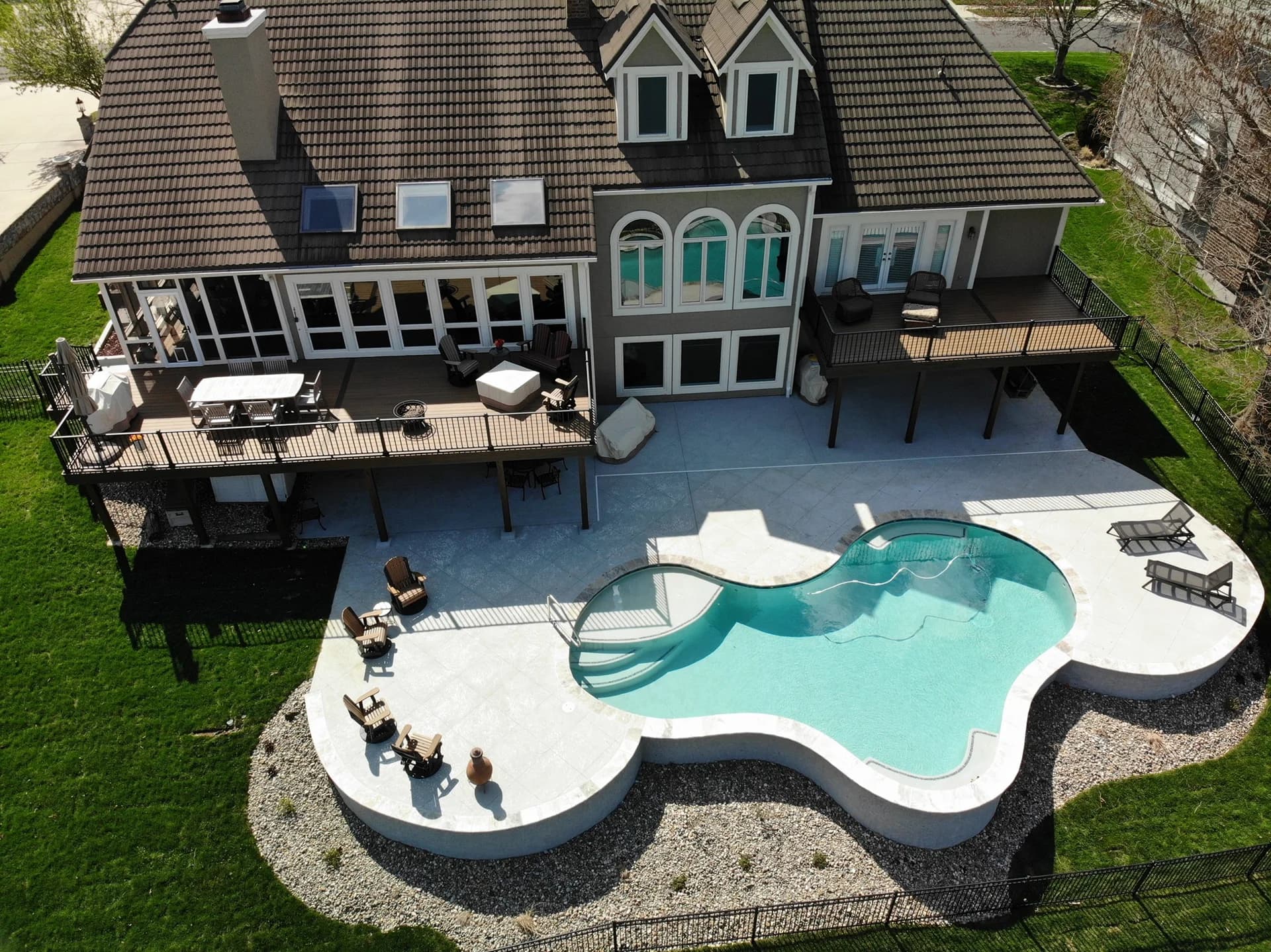
i30 Builders Editorial Team
AuthorEditorial and Field Operations
Internal content and field documentation team

Karson Lawrence
Expert ReviewerFounder and Project Lead
Licensed Texas contractor, field project manager